The Stoerenbourg: a long history
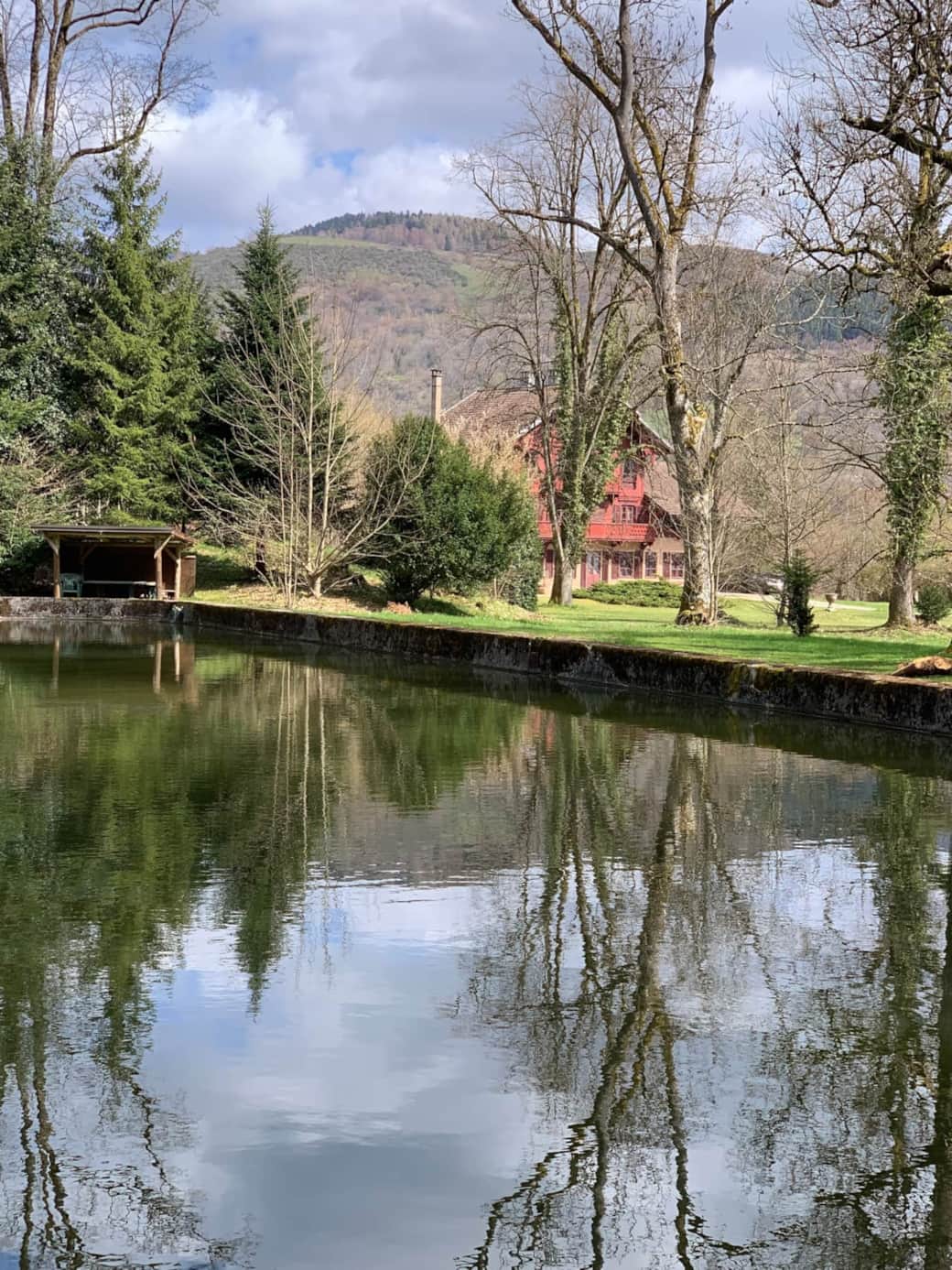
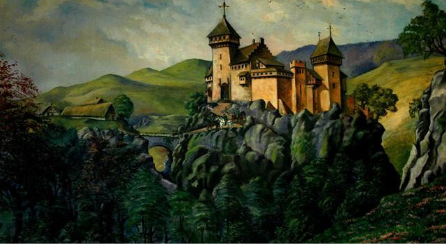
Nestled in unspoilt natural surroundings, Stoerenbourg is a site steeped in history. It was originally the site of Waldstein Castle, which was destroyed in 1637 during the Thirty Years’ War. Subsequently, the land, meadows and pond were used by local residents, whilst the ruins remained a subject of dispute between neighbouring municipalities.
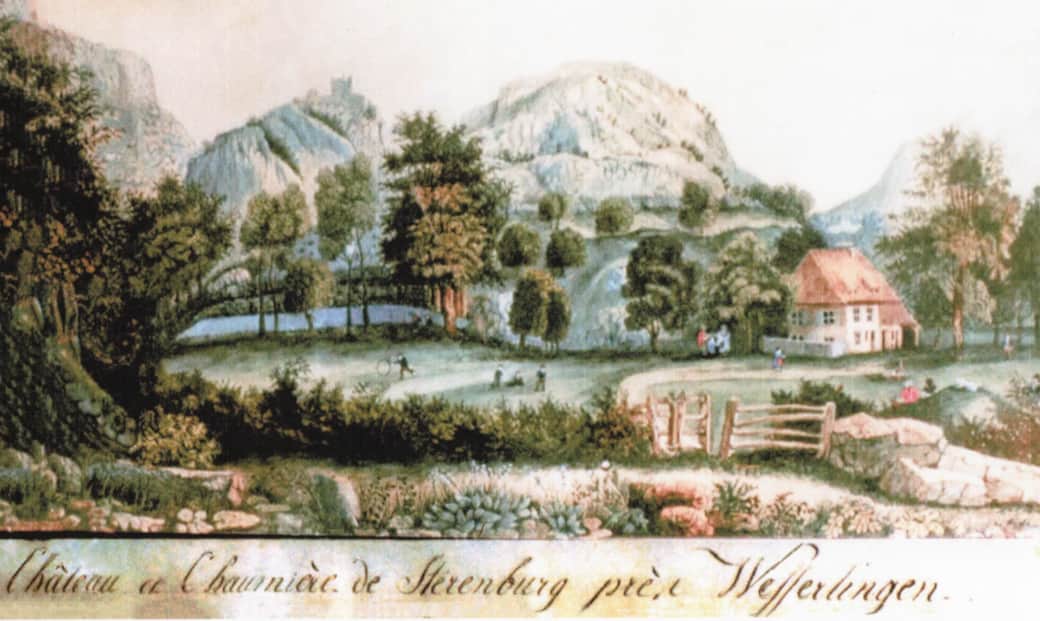
Around 1650, a large house called ‘Seehus’ was built near the site of the present-day villa. It belonged to the Welker (or Welcker) family, who had a lasting influence on the early development of the village as a structured settlement. The house remained in the family’s possession for several generations and was inhabited in particular by the daughters of the Welcker family.
From 1787 to 1798, the house was let, whilst still in the family’s possession, to Jean Koechlin, a dyer at the Wesserling factory. He lived there with his wife, Cléophée Dollfus, and their large family. During these years at Stoerenbourg, several of their children grew up in this natural environment, including Nicolas Koechlin, who later became a prominent 19th-century entrepreneur, and Daniel Koechlin-Schouch, who went on to become a renowned chemist.
The Seehus house, which remained in the Welcker family’s possession, was eventually destroyed by fire around 1840, marking the end of this first period of occupation of the estate.
The legacy of the Wesserling industrialists and the Gros family
The Stoerenbourg villa is linked to Alsace’s industrial history.
Jean Koechlin’s stay between 1787 and 1798, with his children—including Nicolas and Daniel—constitutes a significant but brief episode in the history of the site.
It was then the Gros family who profoundly transformed and developed the estate from the 1850s onwards, remaining its owners for around 75 years.
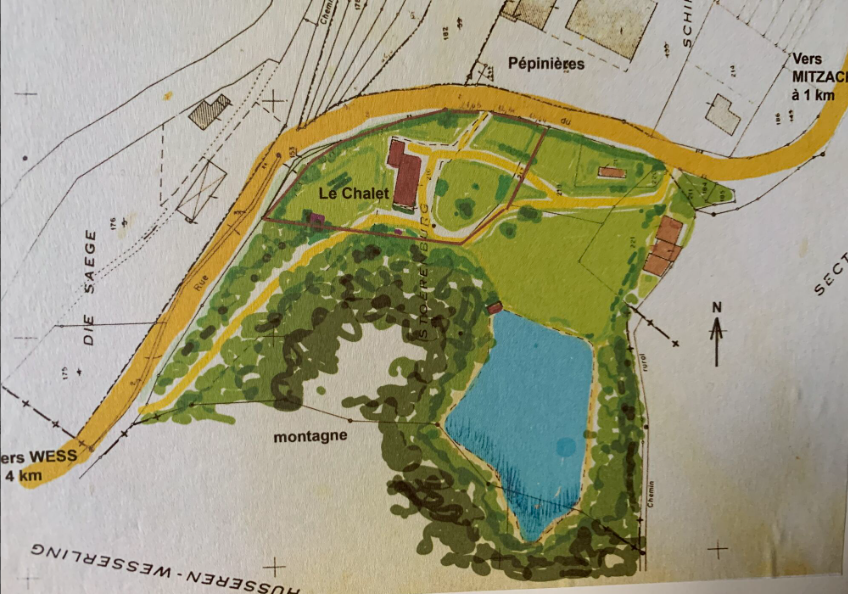
The industrialist Albin Gros undertook an ambitious development of the site: he enlarged the pond, reforested the surrounding hills, planted an avenue of chestnut trees and had the present villa built, designed as a summer residence.
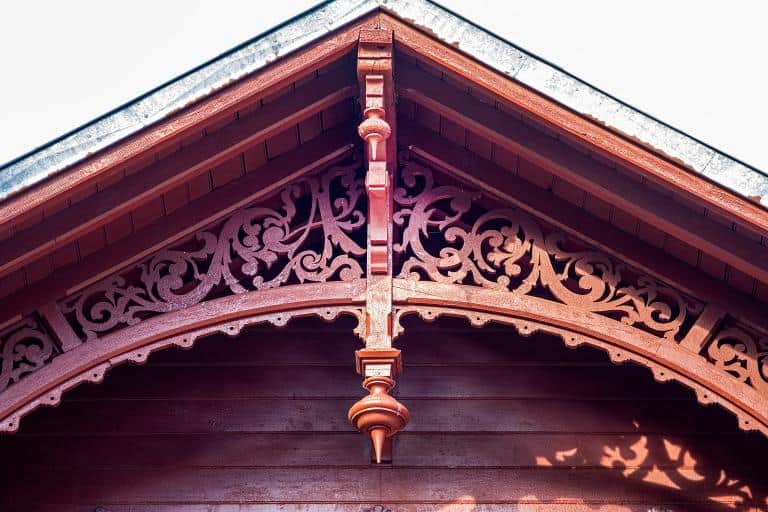
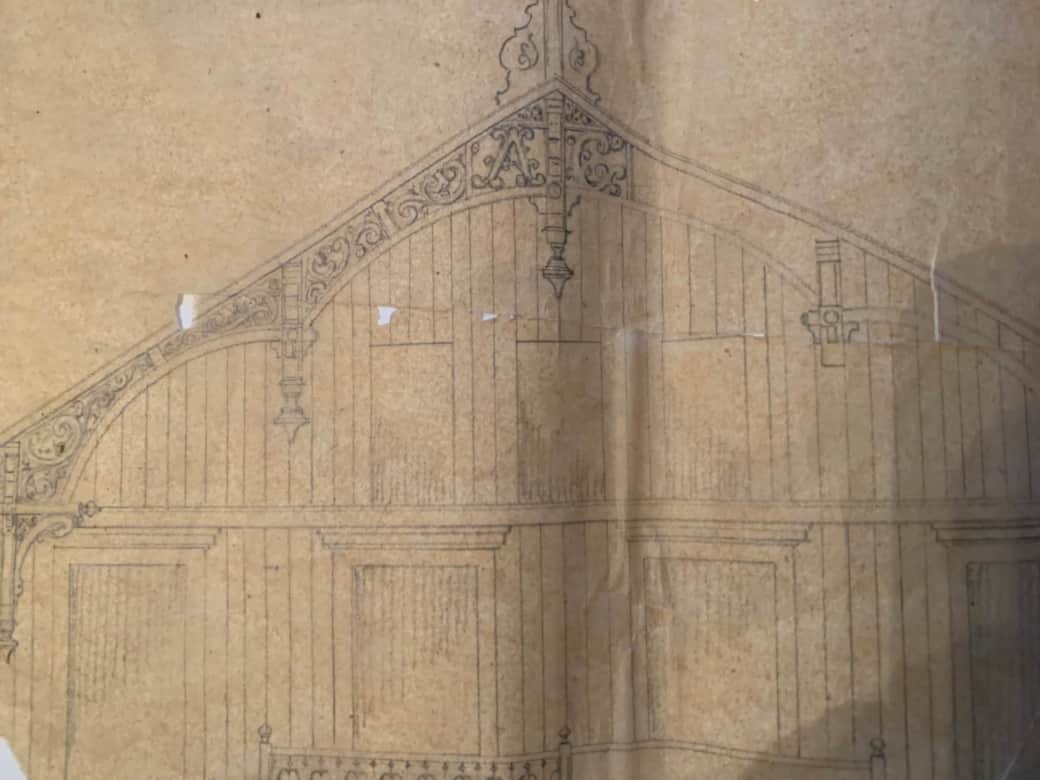
His son, Maurice Gros, continued this work by ensuring the preservation and upkeep of the estate. In 1910, the property passed to Léon Gros, who modernised the villa by installing facilities that were innovative for the time, notably running water, electricity and central heating, providing a remarkable level of comfort whilst preserving the character of the site.
The Hemmerlé family, horticulture and a century of occupation
In 1926, the Stoerenbourg became part of the Hemmerlé family’s estate, and they remained its owners for nearly a century.
This period saw significant work carried out to enhance the estate. In particular, the family developed a key horticultural enterprise and contributed to the upkeep and harmonious development of the villa and its surroundings. They organised the grounds in a sustainable manner, as can still be appreciated today.
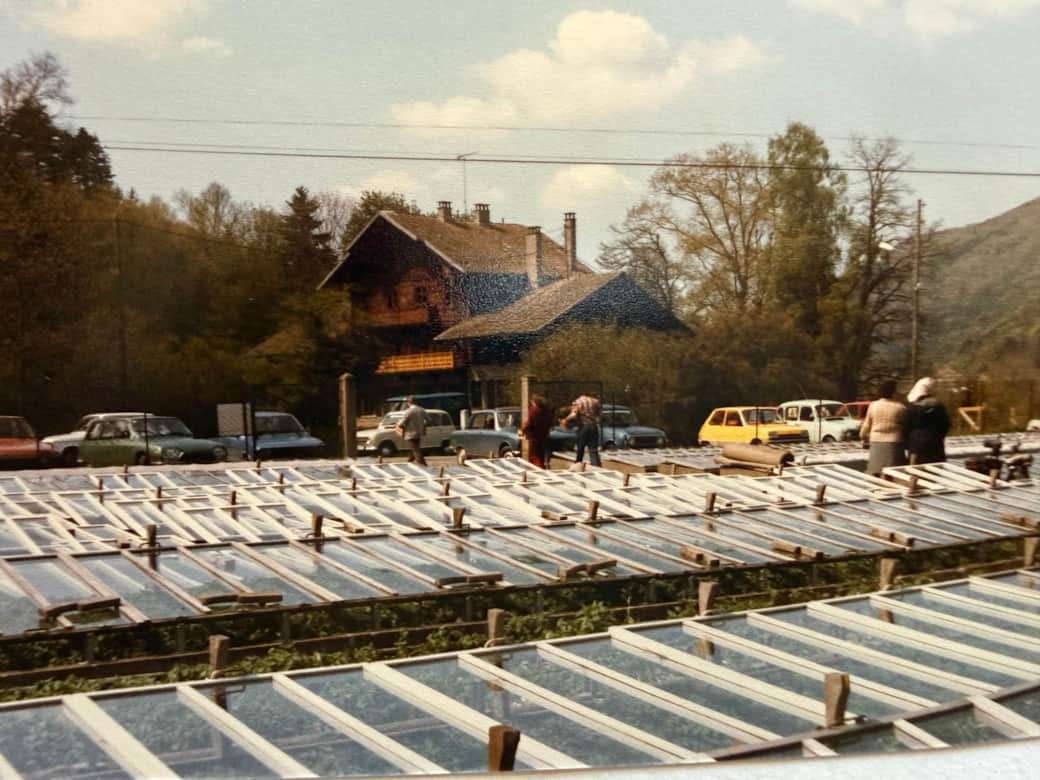
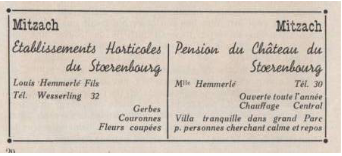
As early as 1926, the house’s potential as a guesthouse was recognised with the opening of the “Pension du Château du Stoerenbourg”.
In 1979, Isabelle Hemmerlé and her husband Jean Luthringer took over the chalet. Deeply attached to the place, they became actively involved in its preservation and enhancement. They helped to safeguard the heritage of the site and created the current holiday cottage
A new chapter, building on what has gone before
In 2026, Isabelle and Marc, together with their children, bought the Villa du Stoerenbourg. The love at first sight that such a place inevitably inspires is also part of a long-standing tradition.
Marc is a descendant of Jean Koechlin and his son Daniel Koechlin, on his grandfather’s side. He is also related to the Gros family through his grandmother Antoinette Mieg, a descendant of Adèle Gros-Courant, an aunt of Albin Gros.
Isabelle, for her part, comes from a family of horticulturists and market gardeners in the Strasbourg region. At Stoerenbourg and in its surroundings, she rediscovers the setting and spirit of her childhood.
Together, with their children Théotime and Cléophée, they are shaping the future of the Stoerenbourg for the 21st century, mindful of its history whilst preserving its exceptional natural setting.